
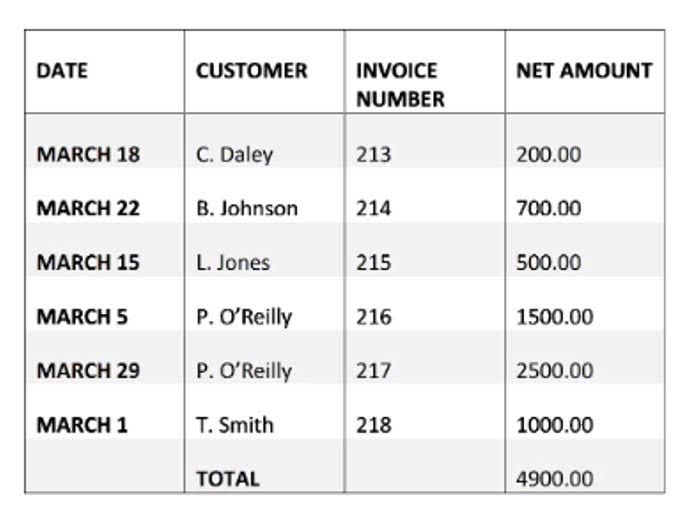
The suspense account is included in the general ledger alongside all other accounts, making it easily visible and identifiable. This enables the accountant to monitor and follow up on the resolution process, ensuring that transactions are allocated to the appropriate accounts suspense account in a timely manner. The suspense account acts as a “holding area” for transactions that require further clarification or investigation. It allows the accountant to proceed with the bookkeeping process while ensuring that transactions are not omitted or misclassified.
- This compensation may impact how and where products appear on this site (including, for example, the order in which they appear), with exception for mortgage and home lending related products.
- This enables the accountant to monitor and follow up on the resolution process, ensuring that transactions are allocated to the appropriate accounts in a timely manner.
- It is important for accountants to properly categorize and track these types of suspense to ensure that they are resolved in a timely manner and that financial records are accurate and reliable.
- In mortgage servicing, the servicer can use a suspense account to park funds temporarily if a borrower has made only a partial payment for that month.
- Because transactions in a suspense account are unallocated, the account should be considered temporary.
- “We would recommend keeping track of suspense items within a control account in your accounting software,” says Alice Pearce, Senior Client Advisor at Wilson Partners accountancy firm.
Once the accounting staff investigates and clarifies the purpose of this type of transaction, it shifts the transaction out of the suspense account and into the correct account(s). When you receive the full payment from the customer, debit $50 to the suspense account. Adjusting Entries are used to correct mistakes, whereas suspense accounts are useful for temporarily holding transactions until there is enough information to post them.
Suspense account definition
It plays a crucial role in maintaining the integrity of financial records and ensuring accurate financial reporting. By using suspense accounts, accountants can proceed with the bookkeeping process while highlighting unresolved issues and tracking transactions that need additional information or clarification. The purpose of using suspense in accounting is to maintain the integrity of financial records and facilitate accurate financial reporting. It serves as a temporary placeholder for transactions or amounts that require further clarification or investigation before they can be properly recorded. The use of suspense enables accountants to proceed with the bookkeeping process while ensuring that transactions are not omitted or misclassified.

You might receive a partial payment from a customer and be unsure about which invoice they’re paying. Hold the partial payment in a suspense account until you contact the customer. When you find out the invoice, close the suspense account and move the amount to the correct account. Eventually, you allocate entries in the suspense account to a permanent account.
Reconciliation: How to Reconcile Suspense Accounts?
The term “suspense account” can have several different meanings, depending on the context. In the business world generally, a suspense account is a section of a company’s financial books where it can record ambiguous entries that need further analysis to determine their proper classification. The main purpose of setting up a suspense account is to keep track of temporary transactions that have not yet been posted to the ledger account. These temporary transactions are “suspended” or held in suspense until they can be identified with a specific ledger account.
- All suspense account items should be eliminated by the end of the fiscal year.
- It acts as a placeholder until the correct information is obtained, allowing for accurate and reliable financial reporting.
- Find out how GoCardless can help you with ad hoc payments or recurring payments.
- Overall, suspense in accounting is a valuable tool that allows for the temporary holding or allocation of transactions or amounts in situations where there is uncertainty or lack of information.
- Understand how it helps ensure accurate financial reporting and proper allocation of funds.
Investing and brokerage suspense accounts temporarily hold investors’ funds until the money is allocated towards the purchase of new investments. Move suspense account entries into their designated accounts to make the suspense balance zero. The rules that mortgage servicers must follow are spelled out by the Consumer Financial Protection Bureau, which enforces the federal Real Estate Settlement Procedures Act. The servicer must also explain what the borrower needs to do in order to have that money applied to their mortgage payment. As can be seen the original entry to the suspense accounts is reversed, so the balance on the account is zero.
Importance of Timely Resolution of Suspense
When the process is finished, the accountant may finally terminate the suspense account and transfer the money to the correct account. In mortgage servicing, the servicer can use a suspense account to park funds temporarily if a borrower has made only a partial payment for that month. In investing, a suspense account is a type of brokerage account where a customer’s proceeds from selling an investment may be recorded until the customer uses the money to invest in something else. A https://www.bookstime.com/articles/what-is-order-of-liquidity suspense account is needed because the appropriate account was not determined at the time the transaction was being recorded. In the business world generally, a suspense account is a section of a company’s financial books where it can record ambiguous entries that need further analysis to determine their proper classification. For an accountant to show a suspense account on balance sheet documents is more direct than it seems, because it isn’t much different from other accounts.



Comments are closed.